
On MSNBC’s Up with Chris Hayes, Host Chris Hayes and his guests discuss what they now know since the week began. Chris’ panel guests were Glenn Greenwald (@ggreenwald), columnist and blogger for The Guardian; Hina Shamsi, director of National Security Project at the American Civil Liberties Union, former senior adviser to United Nations special rapporteur on extrajudicial executions, and lecturer at Columbia Law School; Spencer Ackermann, writer and blogger for Wired.com; and Nancy Giles, analyst for CBSNews.com.
State of the Climate Global Analysis November 2012
Global Highlights
The average combined global land and ocean surface temperature for November 2012 was 0.67°C (1.21°F) above the 20th century average of 12.9°C (60.4°F). This is the fifth warmest November since records began in 1880. Including this November, the 10 warmest Novembers have occurred in the past 12 years.
The globally-averaged land surface temperature for November 2012 was the sixth warmest November on record, at 1.13°C (2.03°F) above average. The globally-averaged ocean surface temperature was also sixth warmest on record, at 0.50°C (0.90°F) above average.
ENSO-neutral conditions continued in the eastern equatorial Pacific Ocean during November 2012. Neutral conditions are expected to last through the Northern Hemisphere winter 2012/13 and into spring 2013.
The average combined global land and ocean surface temperature for September-November 2012 was 0.67°C (1.21°F) above the 20th century average of 14.0°C (57.1°F), marking the second warmest September-November on record, behind 2005.
The globally-averaged land surface temperature for September-November 2012 was the third warmest September-November on record, at 1.03°C (1.85°F) above average. The Southern Hemisphere land temperature was record warm for the period.
The combined global land and ocean average surface temperature for January-November 2012 was the eighth warmest such period on record, at 0.59°C (1.06°F) above the 20th century average.
Thieves Arrested After Stealing 6 Million Pounds of Canadian Maple Syrup
Talk about a sticky mess.
The Federation of Quebec Maple Syrup Producers believe several million cans of stolen maple syrup may be sitting on U.S. grocery shelves.
Quebec police arrested four men in connection with the robbery of 6 million pounds of maple syrup stolen from a Canadian warehouse in a heist spanning just under a year.
The thieves managed to steal the sticky substance from a warehouse in Saint-Louis-de-Blandford between August 2011 and July of this year. The stolen syrup tops out at $18 million in total market value.
“It’s one of the most important robberies in Quebec because of the quantity stolen and the value of the syrup,” said Sgt. Gregory Gomez Del Prado of Quebec police.


 In April 1803, the United States purchased from France the 828,000 square miles that had formerly been French Louisiana. The area was divided into two territories: the northern half was Louisiana Territory, the largely unsettled (though home to many Indians) frontier section that was later explored by Lewis and Clark; and the southern Orleans Territory, which was populated by Europeans.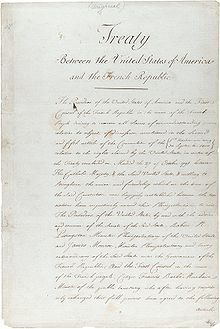
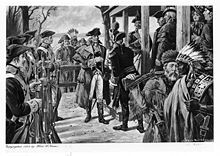
 When these phrases appeared in the pages of the Pennsylvania Journal for the first time, General George Washington’s troops were encamped at McKonkey’s Ferry on the Delaware River opposite Trenton, New Jersey. In August, they had suffered humiliating defeats and lost New York City to British troops. Between September and December, 11,000 American volunteers gave up the fight and returned to their families. General Washington could foresee the destiny of a rebellion without an army if the rest of his men returned home when their service contracts expired on December 31. He knew that without an upswing in morale and a significant victory, the American Revolution would come to a swift and humiliating end.
 On this day in 1918, the House of Representatives passed the
  Democratic Hawaii Senator
Recent Comments