
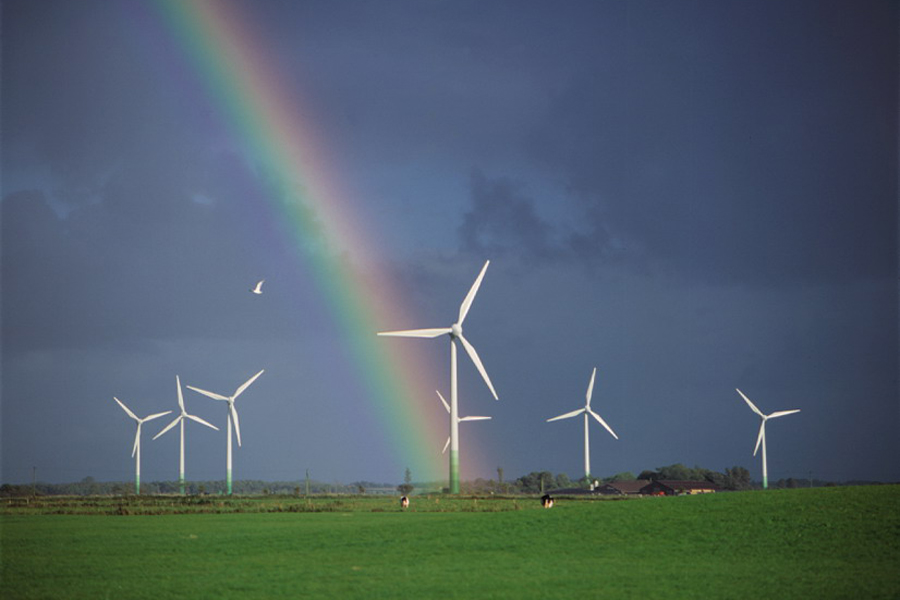
 There is an ongoing general discussion in the field of sustainable energy that does not carry the risk of the destruction of our current industrial society and economy about variable renewable energy.
Renewable energy includes a range of low or no carbon sources of energy – but not all renewable energy is sustainable, and not all is low or no carbon. And not all low or no carbon energy sources are from renewable energy resources.
Among the sustainable, no/low carbon renewable energy resources, the most abundant involve the harvest of variable renewable energy, with windpower and solar PV being the most notable. So one obvious strategy for a no-carbon-emitting energy system is to base it on collecting as much of these affordable variable renewables as practicable, and then use other no/low carbon sources to fill in the gaps.
However, in some quarters, this elicits a counter-argument. The most “successfully de-carbonized” economies of the world today are either those with a very high reliance on reservoir hydropower … which while very useful in the United States offers nowhere near a large enough economic resource to meet any large fraction of our current consumption … or those with a very high reliance on nuclear power.
Indeed, near the beginning of this month, Stephen Lacy briefly reported on a report from the Breakthrough Institute that raised an alarm that the new Clean Power Plan may in fact oversee a net increase in GHG emissions. The final plan does not include measures to avoid the decommissioning of substantial numbers of nuclear power plants. And the numbers are stark:
- The 30 nuclear plants at risk by 2030 avoid over 100 MMT of CO2 emissions
- New non-hydropower renewables are expected to avoid 60 MMT of CO2 emissions by 2030
- New nuclear plants under construction are expected to avoid under 30 MMT of CO2 by 2030
So where retention of those 30 nuclear power plants would find us over 80 MMT of avoided CO2 ahead, and in a position to accelerate that in the following decade … their closure could leave us over 10 MMT below where we are now.
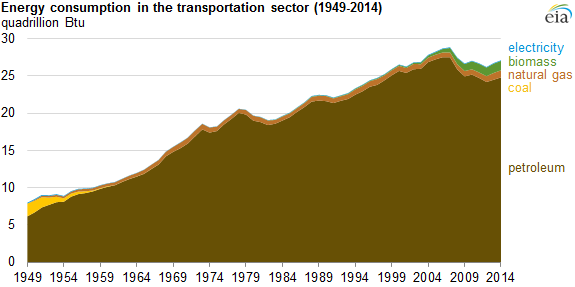 The US Energy Information Administration released a story last week which sounded like good news:
 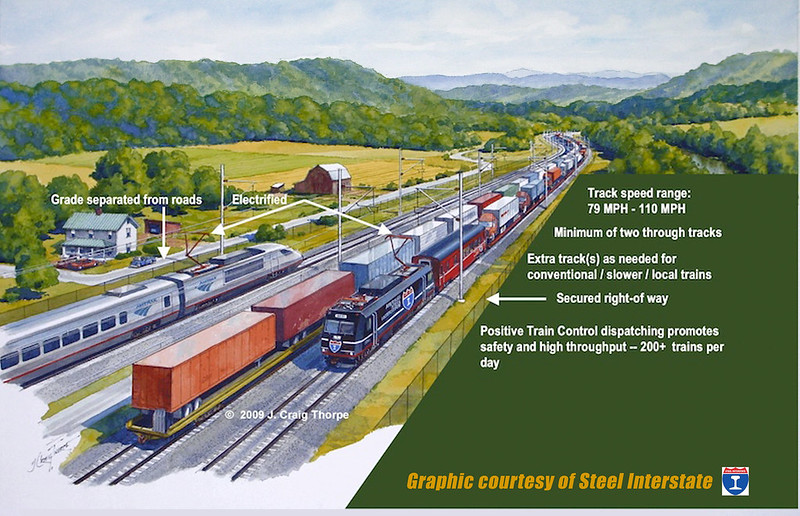 Last week in Washington DC, your Sunday Train correspondent was able to attend the “Future of Rail Symposium” held in Washington DC. The presenters discussed various aspects of building a Steel Interstate corridor, including the Steel Interstate concept, a discussion of electrified rail around the world, why rely on electricity rather than LNG for major backbone corridors, the engineering and economics of electrification in North America, an approach to financing an initial Steel Interstate corridor without requiring new legislation to be passed through our gridlocked Federal government, vehicle and track considerations of the “Rapid Freight” rail component of the Steel Interstate, the labor dimension and the need for a new social contract with Rail Labor, and a final presentation on the
 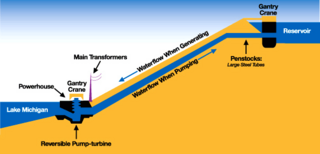 In a sense, Sunday Train has been mentioning reverse pumped hydro before the Sunday Train actually existed. In 2007 at Daily Kos, in “Driving Ohio on Lake Erie” (
Recent Comments